|4 min. read|
If you’ve ever wished you could get a jumpstart on gardening season without grow lights, seed trays, or complicated setups, you should try winter sowing!
Winter sowing is simple, budget-friendly, and incredibly effective, especially for gardeners in colder climates. Here’s everything you need to know to get started.
What Is Winter Sowing?
Winter sowing is a method of starting seeds outdoors during winter using recycled containers as miniature greenhouses. Instead of starting seeds indoors under artificial light, you let natural winter temperatures provide the cold exposure certain seeds need to germinate.
This method works especially well for seeds that require cold stratification, a period of cold and moisture that mimics natural winter conditions.
As temperatures warm in early spring, your seeds will germinate at just the right time, naturally hardened off and ready to grow.
Gardeners across most USDA hardiness zones including myself have had great success with this method.
What Seeds Can Be Winter Sown?
Not every seed is suited for winter sowing. This method works best with:
- Perennials
- Hardy annuals
- Cold-tolerant vegetables
Some great options include:
Vegetables
- Spinach
- Green onion
- Carrots
- Beets
Flowers & Perennials
- Calendula
- Lavender
- Salvia
- Bachelor Buttons
- Snapdragon
- Larkspur
- Hollyhock
- Aster
- Yarrow
- Foxglove
- Lupine
- Sweet peas
Tender annuals and heat-loving plants (like tomatoes and peppers) are not good candidates for winter sowing.
Supplies You’ll Need
One of the best parts of winter sowing is how inexpensive it is. You likely already have most of what you need.
- Seeds
- Potting soil
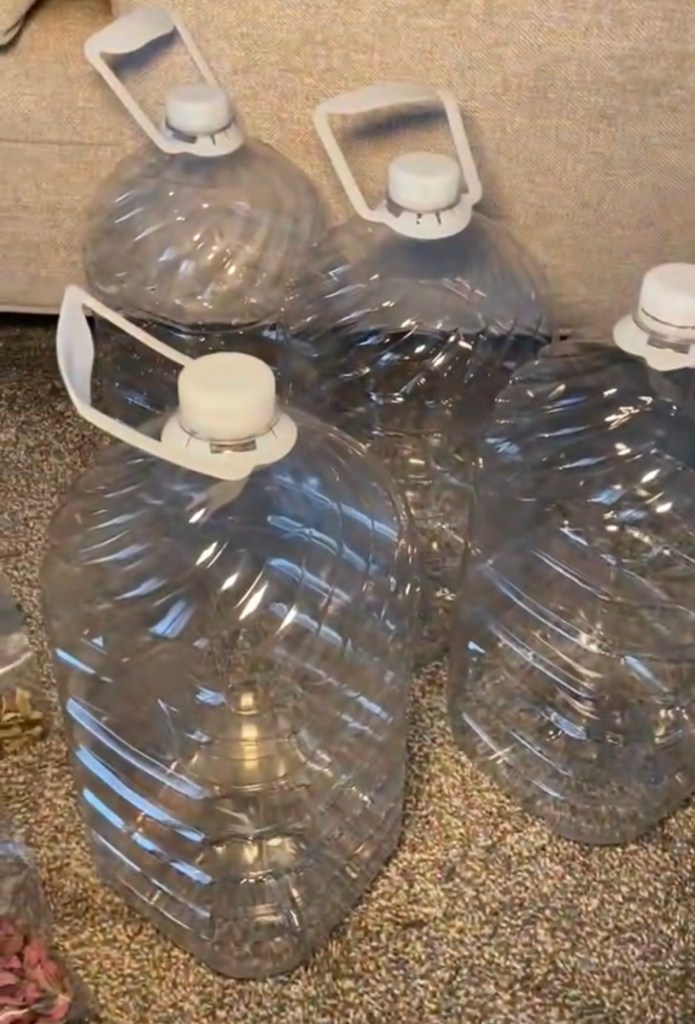
- Clear plastic containers (milk jugs or water jugs work perfectly)
- X-Acto knife or box cutter
- Duct tape
- Masking tape
- Outdoor permanent marker (important for labeling!)
Step 1: Prepare Your Containers
Your container will act as a mini greenhouse, so it needs:
- Drainage holes
- A clear top
- Ventilation
How to Prep a Water Jug for Winter Sowing
- Add drainage holes
Use a knife or sharp tool to poke several holes in the bottom of the jug. - Create a hinged lid
Cut around the jug about halfway up, leaving a small section uncut near the handle so the top flips open like a lid. - Remove the cap
Leave the cap off to allow air and moisture exchange.
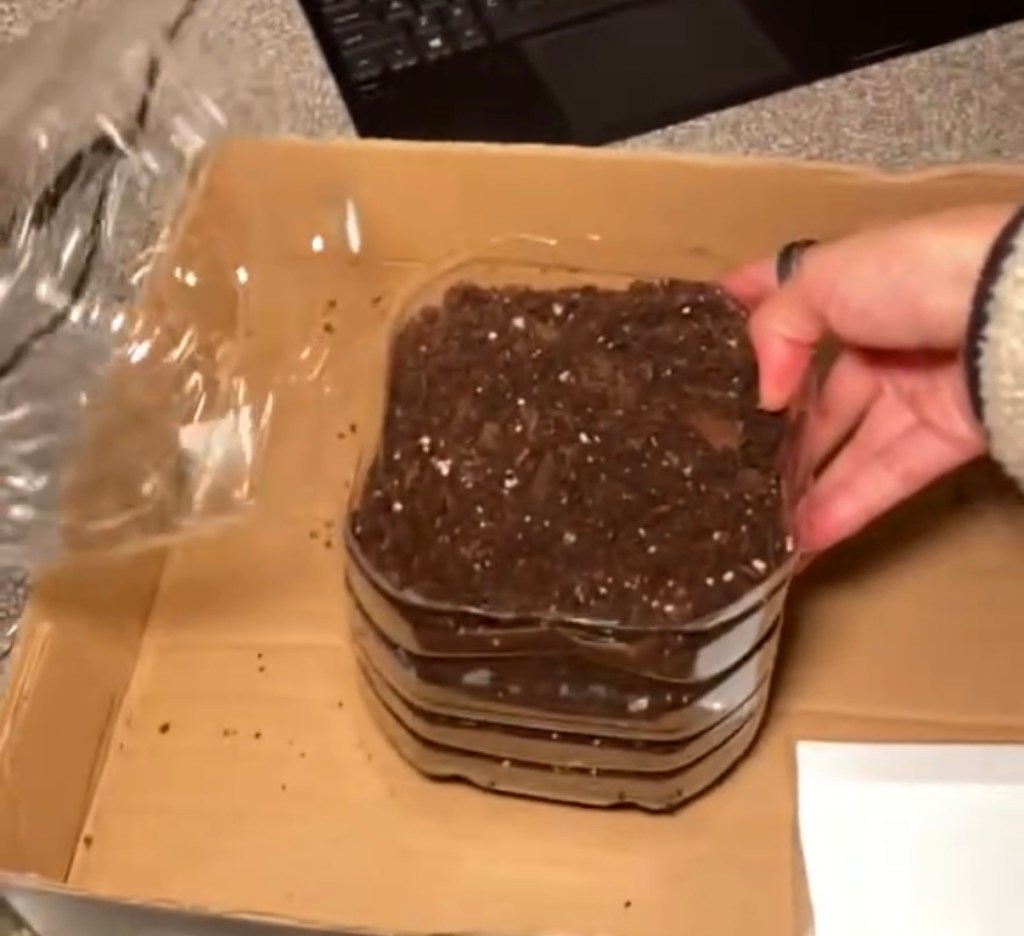
Now you have a simple, effective greenhouse.
Step 2: Plant Your Seeds
- Fill the bottom half of the jug with moist potting soil.
- The soil should be damp but not soaking.
- When squeezed, it should hold its shape without dripping.
- Plant seeds according to the depth listed on the seed packet.
- Gently press the soil to ensure good seed-to-soil contact.
That’s it, planting is complete!
Step 3: Seal, Label, and Set Outside
Once planted:
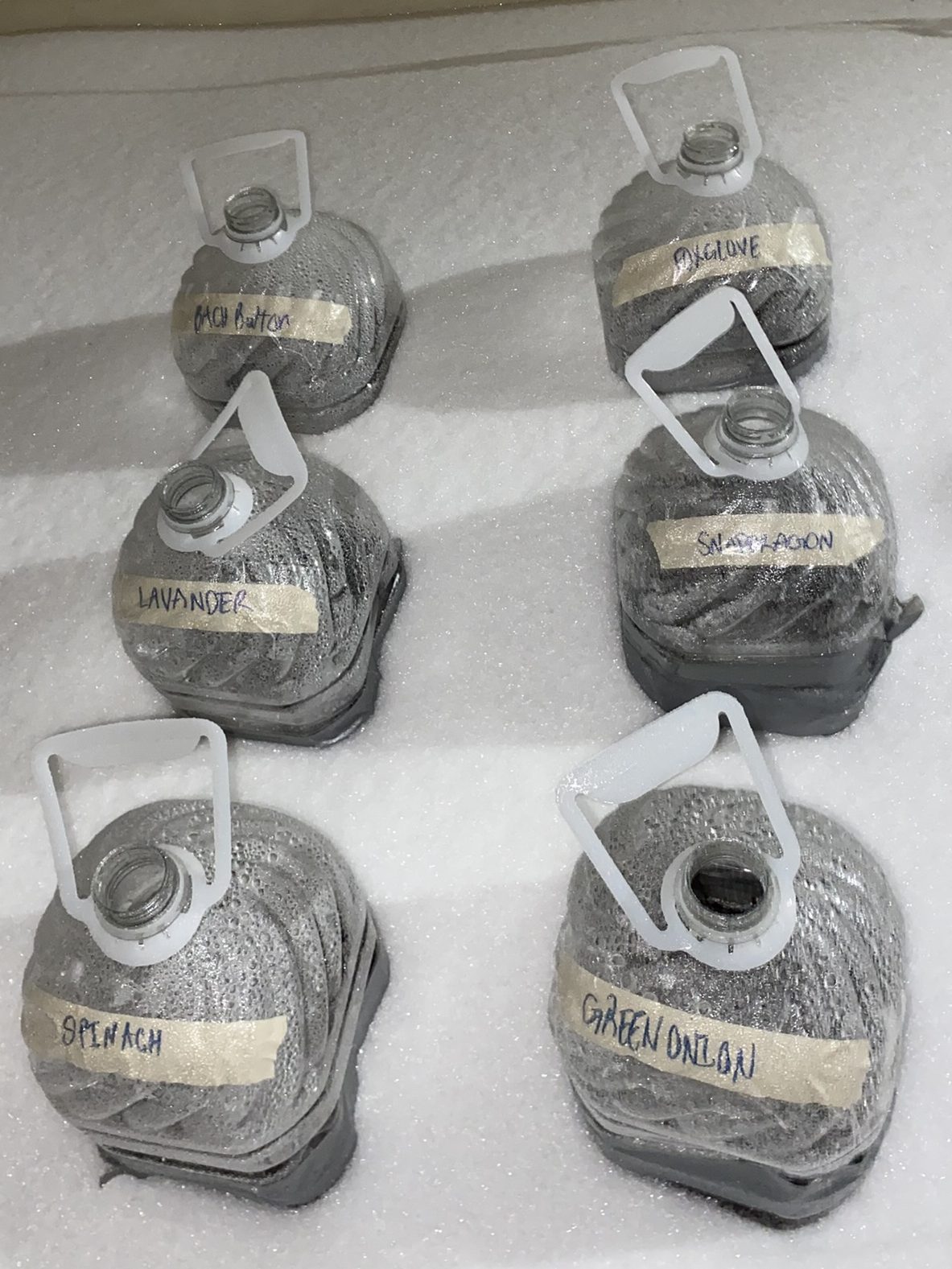
- Close the lid.
- Secure it shut with duct tape.
- Label clearly using masking tape and an outdoor permanent marker.
Why Labeling Matters
Winter sun and weather can fade ink over time. Using an outdoor marker is best. If you don’t have one, take a clear photo of each labeled jug so you can reference it in spring.
Where to Place Your Winter Sown Jugs
Set your containers outside in a location that:
- Receives winter sunlight
- Is exposed to rain and snow
- Is protected from strong winds
You do not need to bring them inside during freezes. The natural freeze-thaw cycle is exactly what many seeds need.
Watering is rarely necessary unless you experience an unusually long dry spell.
What Happens in Spring?
As temperatures begin to warm:
- Condensation will form inside the jug.
- Seeds will begin germinating naturally.
- Seedlings will already be acclimated to outdoor conditions.
Once daytime temperatures consistently rise:
- Open the lid during the day for ventilation.
- Close it at night if frost is still possible.
- After the danger of hard frost passes, transplant seedlings into your garden.
Why Gardeners Love Winter Sowing
- No grow lights required
- No hardening off process
- Minimal cost
- Strong, resilient seedlings
- Uses recycled materials
Winter sowing allows nature to do most of the work — and that’s what makes it so effective.
Final Thoughts
Winter sowing is an easy, low-maintenance way to start your garden season early. With just a few recycled containers and some potting soil, you can grow strong seedlings ready to thrive in spring.
If you’ve never tried it before, this winter might be the perfect time to start.
Happy planting! 🌱
 The Lemon's Drop
Leave a comment